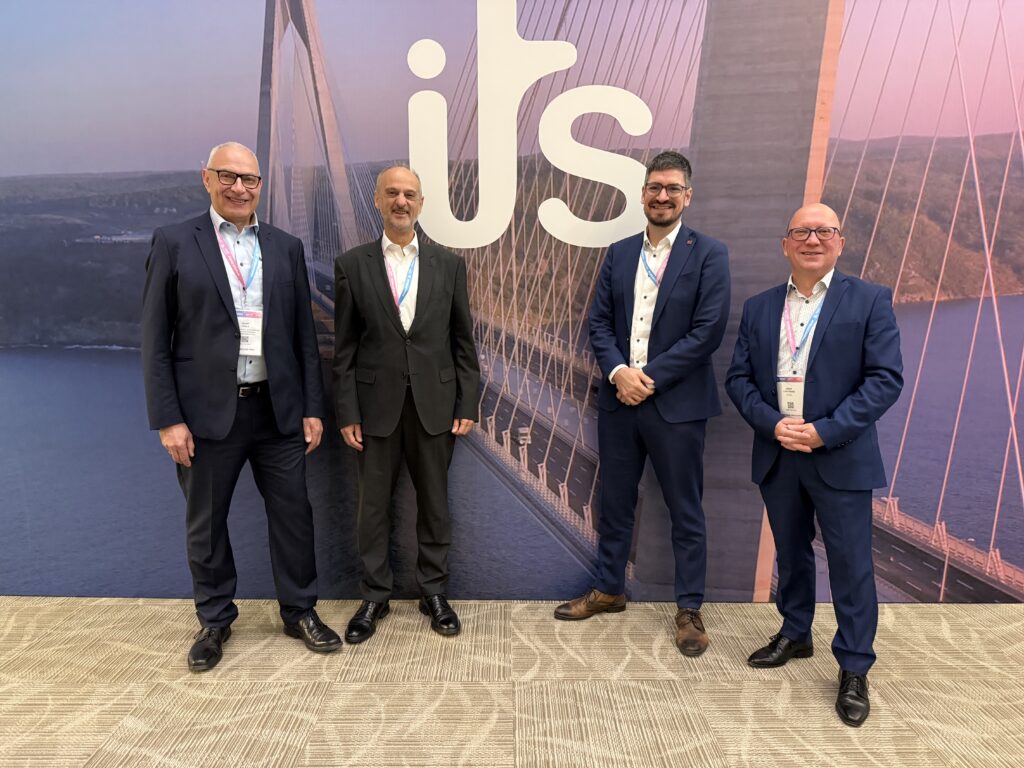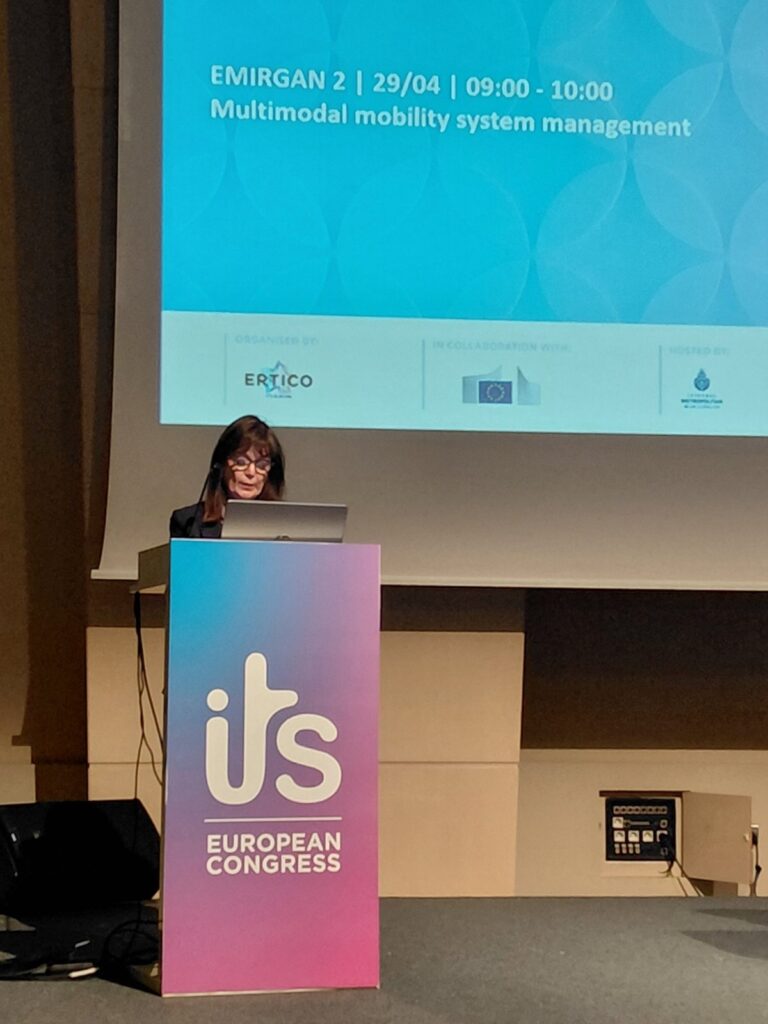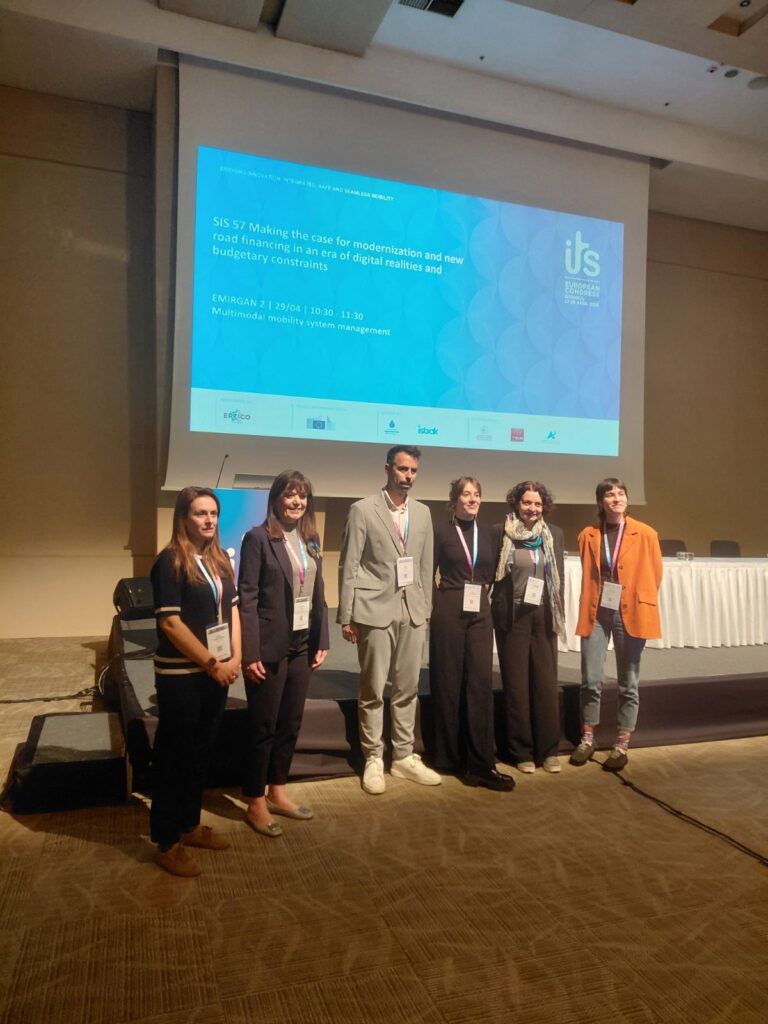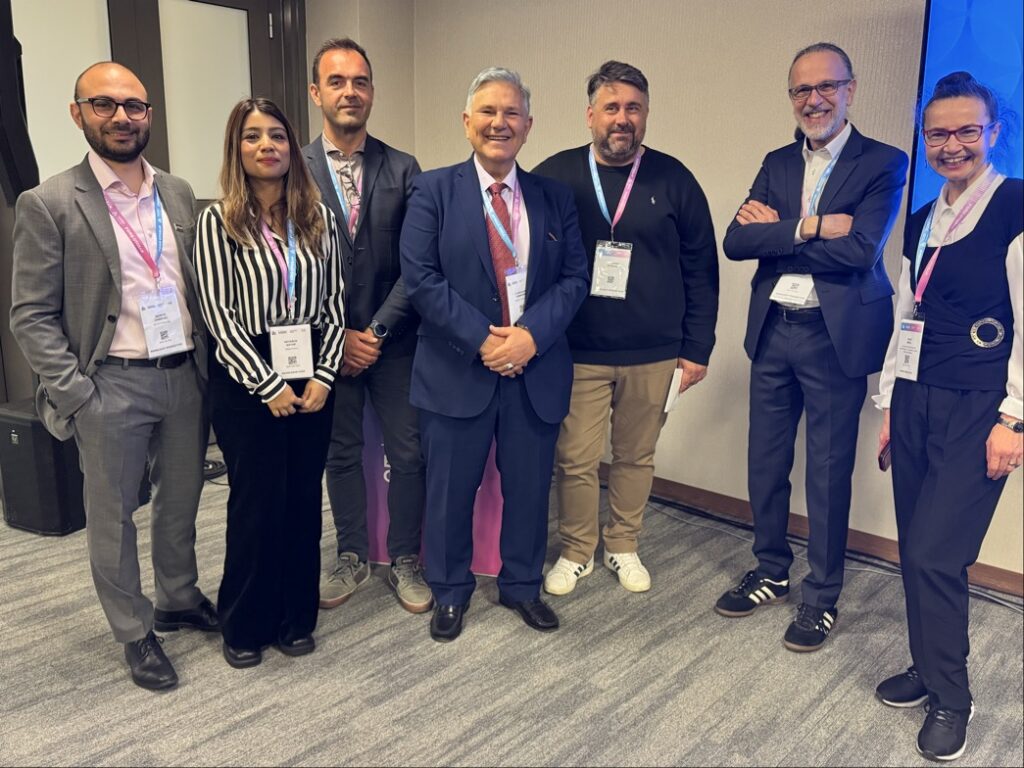
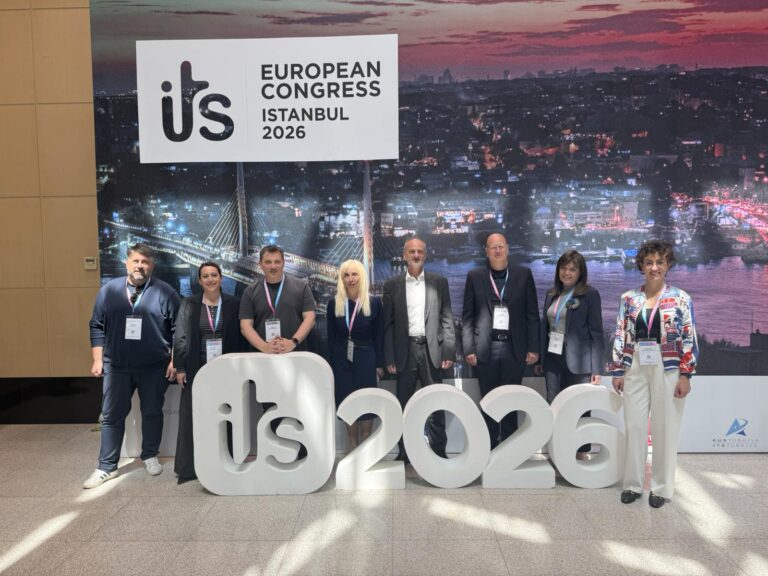
Across a wide range of strategic sessions and technical discussions during the 17th ITS European Congress (Istanbul, 27-30/04), researchers from I-SENSE/ICCS contributed expertise spanning inclusive mobility, CCAM safety validation, AI-driven situational awareness, user trust in automated systems, and sustainable multimodal transport.
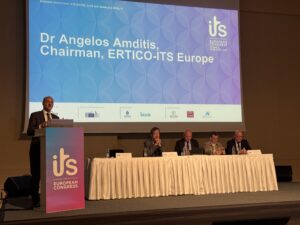
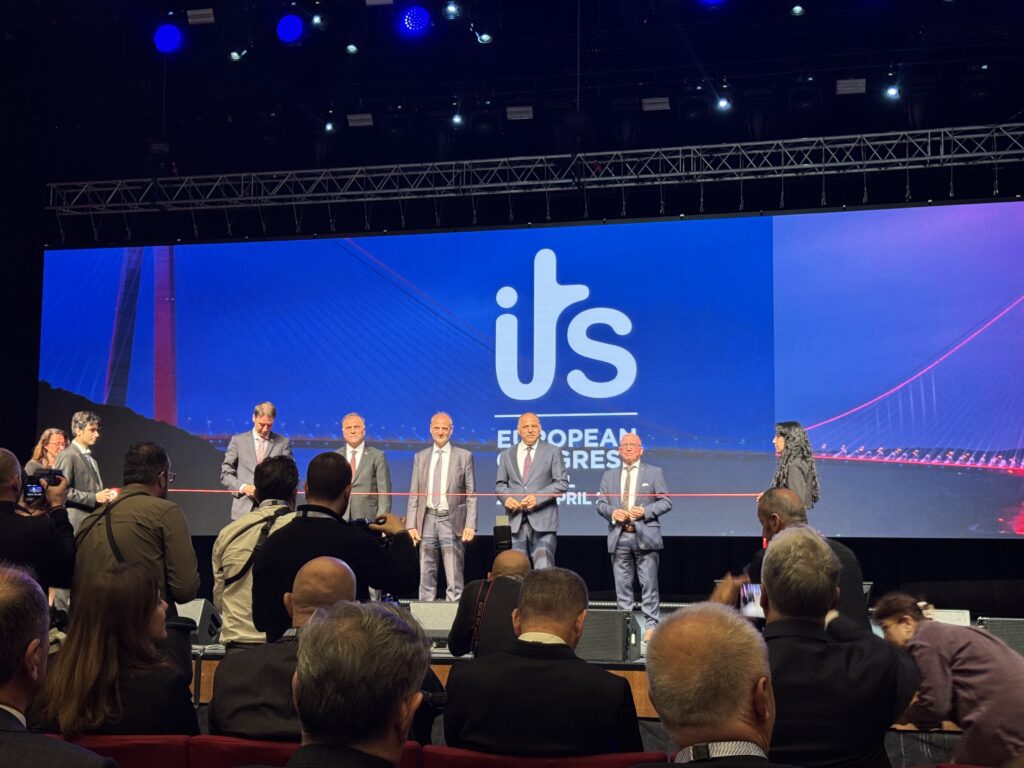
Dr Angelos Amditis contributed to several high-level strategic discussions shaping the future of mobility. As Chairman of ERTICO – ITS Europe, he delivered the official opening keynote of the Congress, emphasizing the need to build “bridges” of cooperation, trust, and shared vision in the era of connected and automated mobility. He also participated in the Ministerial ITS Summit and discussions on cross-border collaboration, ITS ecosystems, connected mobility, and the role of 5G/6G networks in transport, while his closing interventions highlighted the importance of public-private cooperation in accelerating the deployment of intelligent transport systems across Europe and beyond.
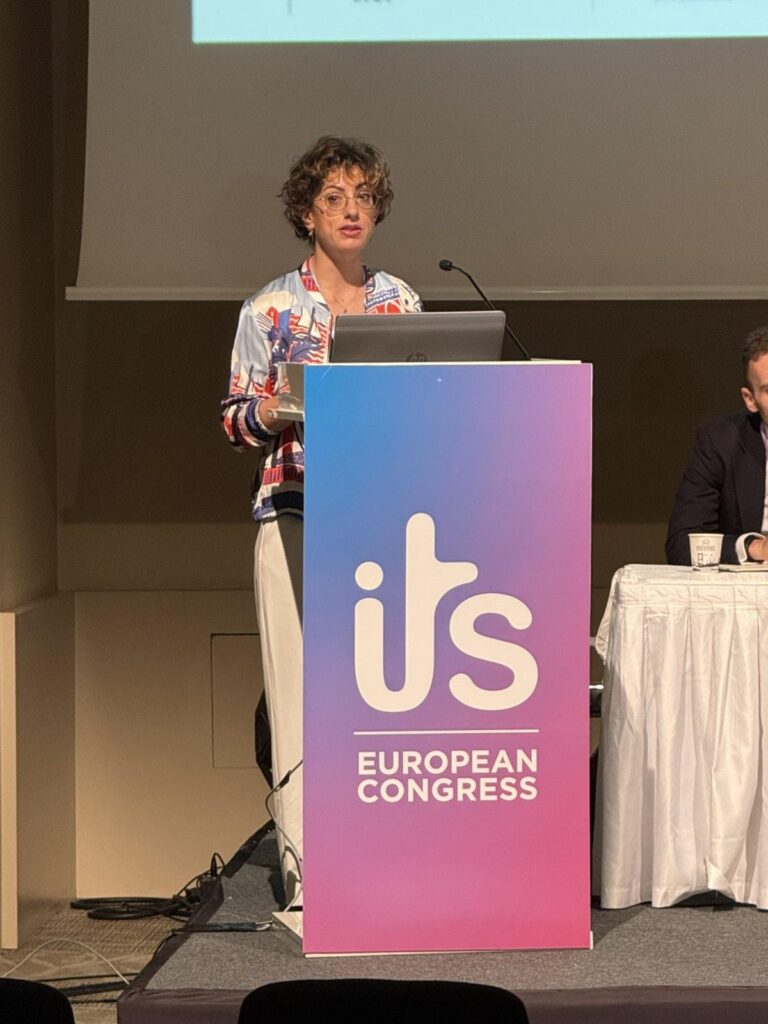
Among the Group’s strong scientific contributions, Dr. Anna Antonakopoulou participated in discussions around inclusive mobility and accessibility, presenting work from the SINFONICA Project focused on transforming data from vulnerable social groups into ontology-ready personas capable of supporting more human-centric mobility decision-making. The discussion explored a critical question increasingly emerging in mobility research: who transport systems are truly designed to serve.
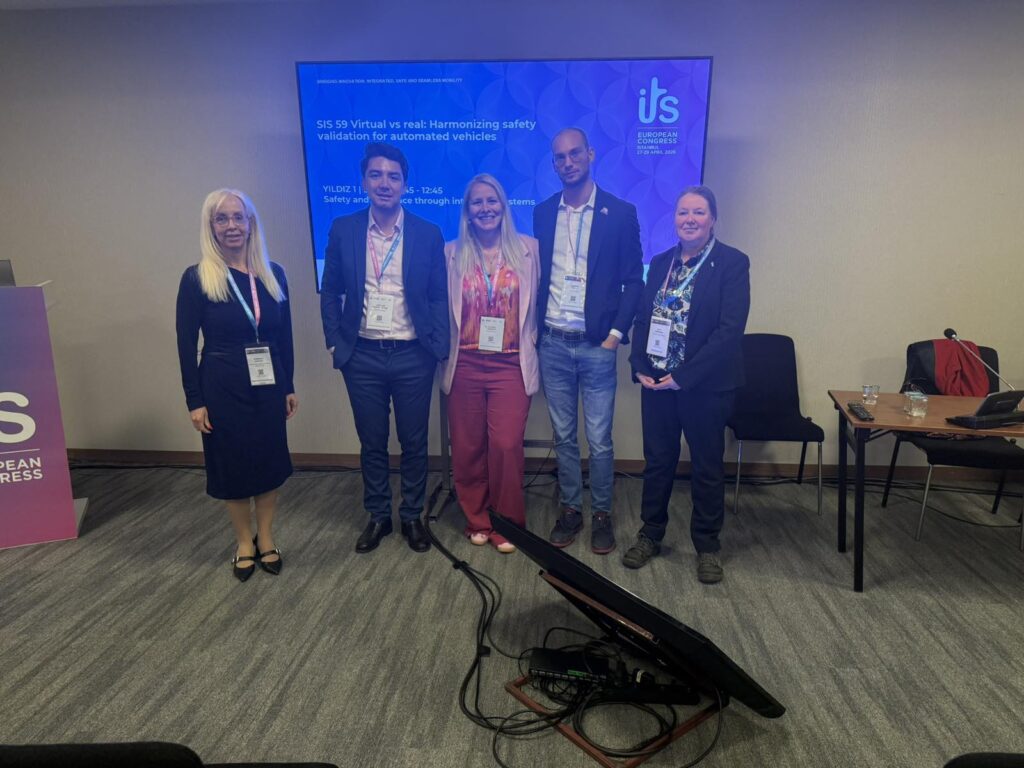
At the same time, Dr Evangelia Portouli contributed to multiple high-level sessions dedicated to automated and connected mobility. Drawing on the CERTAIN project and the Connected Cooperative and Automated Mobility ecosystem, her presentations focused on hybrid testing methodologies combining virtual simulation and physical validation for V2X-enabled automated driving systems, addressing one of the sector’s biggest challenges: how to validate safety and cooperative awareness in increasingly complex mixed-traffic environments.
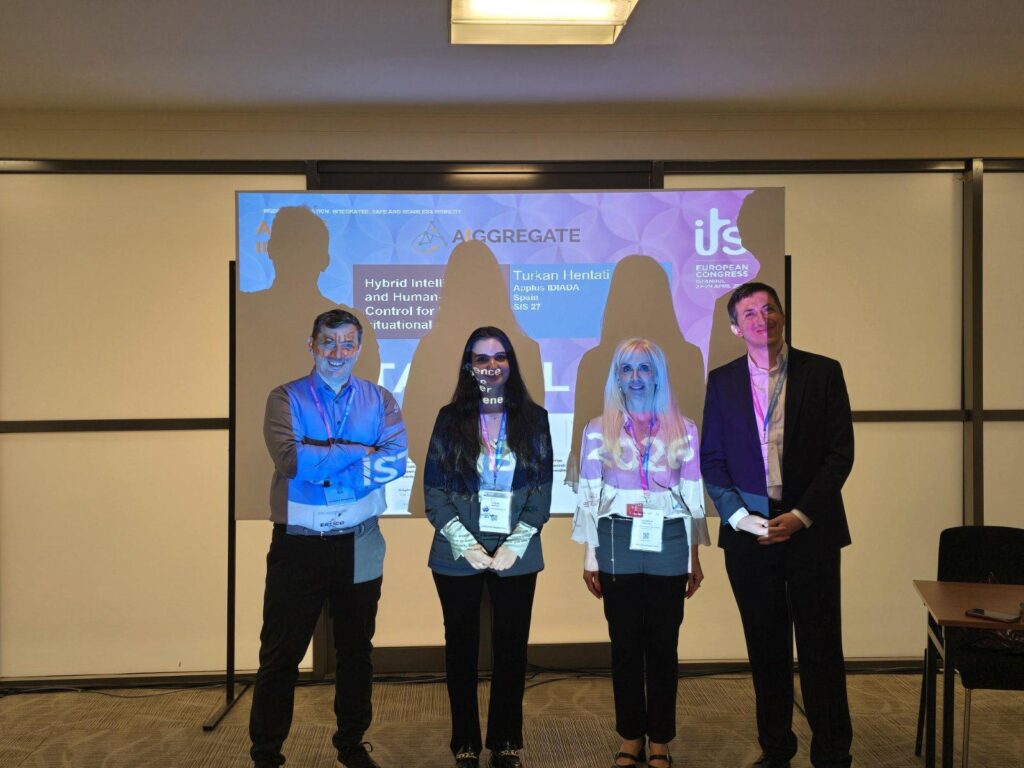
Trust and human acceptance of automated mobility also emerged as a major theme throughout the Congress. In a dedicated session moderated by Giannis Karaseitanidis, researchers and industry representatives explored how hybrid intelligence, human factors, and user-centered design will ultimately determine whether automated vehicles gain public confidence and large-scale societal acceptance.
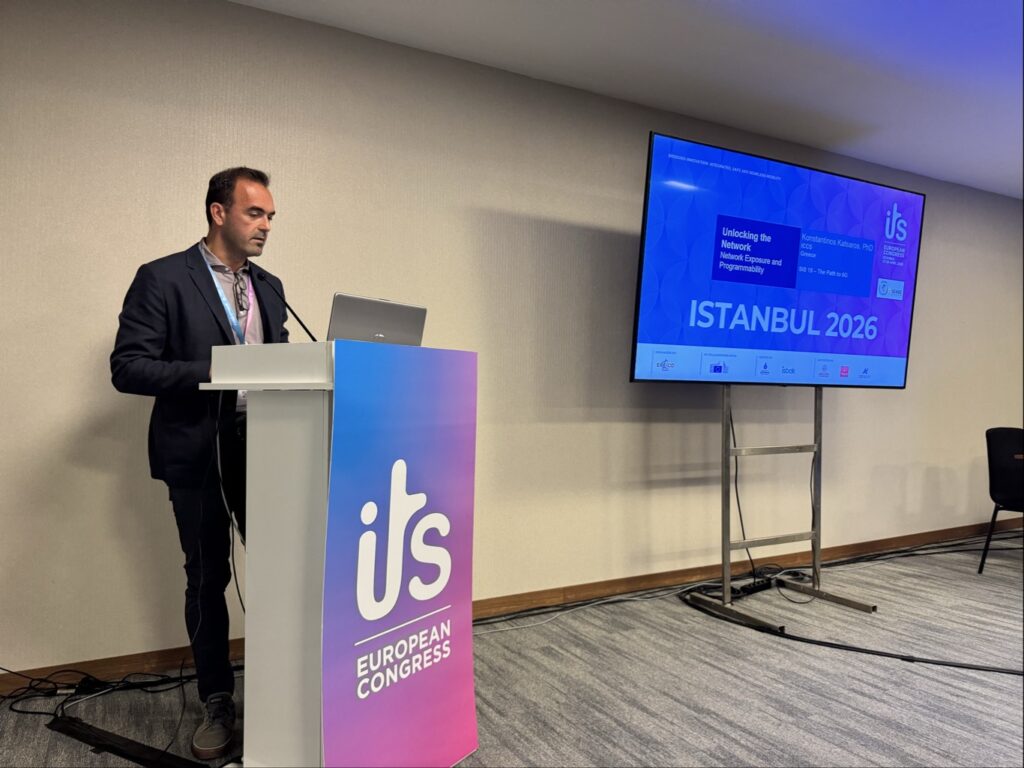
Within SIS15, ISENSE was also represented through the SNS JU project ENVELOPE, which explores network exposure capabilities for Connected and Automated Mobility (CCAM), aiming to support safer, more seamless, and intelligent mobility services through next-generation connectivity. Konstantinos Katsaros presented the project’s vision and ongoing work on enabling advanced network functionalities for future CCAM ecosystems, highlighting how 6G-ready infrastructures can enhance interoperability, responsiveness, and resilience in connected transport environments.”
I-SENSE Group also organized the Special Interest Session “Rethinking Urban Mobility: Inclusive Solutions from Co-creation to Deployment in Europe,” -moderated by our Evangelia Latsa– bringing together researchers and practitioners to discuss how technology, citizen engagement, policy, and multimodal planning can collectively support more sustainable and inclusive urban mobility ecosystems across Europe.
Further contributing to the discussion around AI-enabled mobility, Dr. Vasilis Sourlas presented the work of the HIDDEN EU PROJECT, showcasing advanced situational awareness approaches that combine onboard perception, V2X communication, and behavioral models of vulnerable road users to improve safety and trustworthiness in mixed traffic conditions involving automated and conventional vehicles.
The Congress also featured contributions in sustainable logistics and multimodal transport systems. Our John Kanellopoulos, representing the SEAMLESS Project, presented work on evaluating the economic performance of automated waterborne seaport hinterland transport, contributing to discussions around future sustainable transport infrastructure and mobility system integration.
Through its broad participation across technical, strategic, and policy-oriented sessions, the Group once again demonstrated the interdisciplinary role that research organizations increasingly play in connecting innovation with deployment — helping shape mobility systems that are not only smarter and more connected, but also safer, more inclusive, and more trusted by society.